

In a fractured world, music can become a bridge between communities, generations and even nations
For me, music has never been an isolated aesthetic pursuit—it is deeply social, says Pt Prodyut Mukherjee, Grammy Jury and GIMA Award winner
Pt Prodyut Mukherjee, Grammy Jury, GIMA Award winner
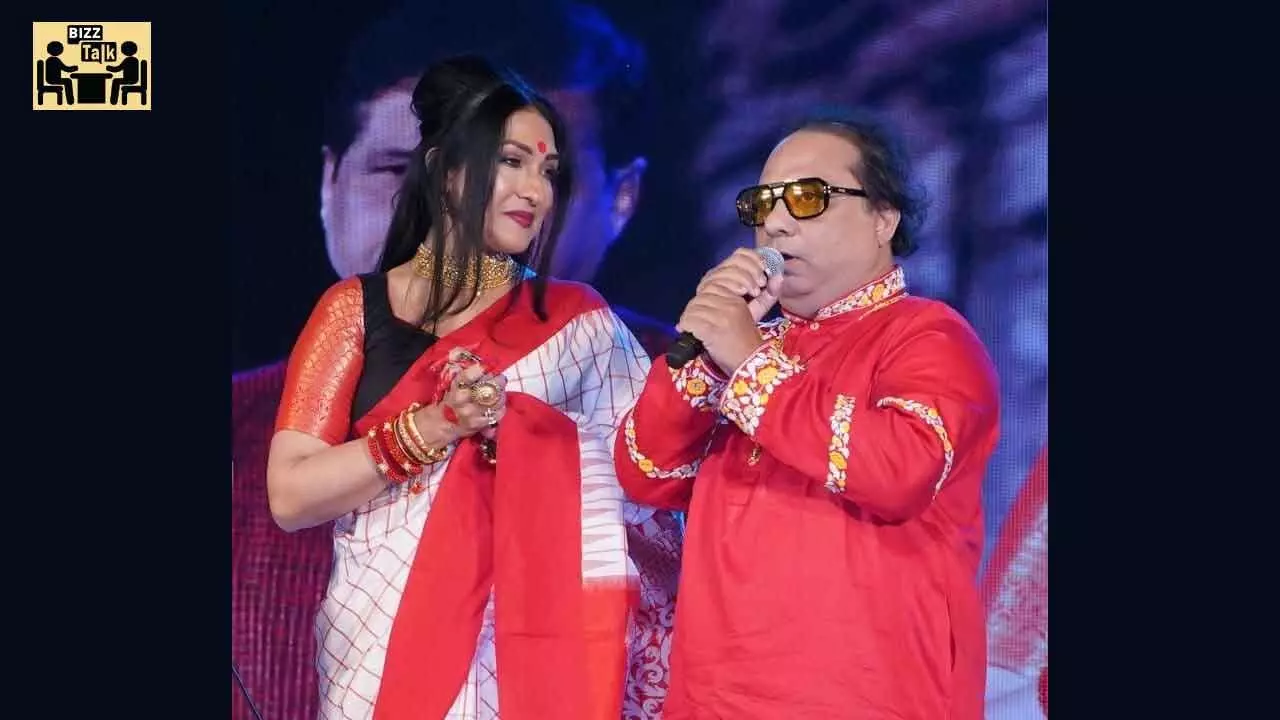
Pt Prodyut Mukherjee, Grammy Jury, a GIMA Award winner and a recipient of Governor's Excellence Award and Pandit Manmohan Bhatt Memorial Award, loves and relishes performing mouth percussion or mouth drumming, and performing his art for a different reason altogether- more than entertaining the audience, putting across a message.
One of the most prominent and well-known names in the field of Indian classical as well as popular music scene for his various musical initiatives, Pt Mukherjee, launched a crusade against war and violence, musically, teaming up with famed singer Anup Jalota, acclaimed musician Kishore Sodha and others and to came up with a music album: “Roshni Ho Sarhadon Mein” seeking a permanent end to war and violence. Pt. Prodyut Mukherjee’s journey reminds us that music is not merely performance—it is purpose, dialogue, and hope- set to rhythm.
Speaking to Bizz Buzz, Pt. Prodyut Mukherjee delves at length on music as social conscience, creative collaborations, and last but not the least, on building a sustainable cultural economy
Unlike many others, you are also turning music into a viable commercial and institutional model through initiatives like Rhythmexpress. How do you balance art and economics?
Sustainability is crucial. Art cannot survive on passion alone; it needs structure. Through Rhythmexpress, we create projects that are artistically rigorous yet economically viable—albums, festivals, cross-genre collaborations, educational initiatives.
The idea is to respect musicianship while ensuring fair value for creative labour. When classical music finds intelligent presentation and ethical monetisation, it can thrive without compromise. Unless there is a robust and sustainable business or revenue model, performing arts cannot survive.
You are known internationally as a tabla maestro and composer, but increasingly also as a cultural catalyst. How do you see your larger social role as a musician today?
For me, music has never been an isolated aesthetic pursuit. It is deeply social. Rhythm reflects the pulse of society—its anxieties, aspirations, and need for healing. In a fractured world, music can become a bridge: between communities, generations, even nations.
Whether it is working for Autism Ashram, promoting environmental consciousness through projects like Green Tabla, or advocating peace through compositions such as Roshni Ho Sarhadon Mein, I see my role as using sound to spark empathy and awareness.
Your recent collaboration with National Award-winning actress and dancer Rituparna Sengupta at the Ustad Bade Ghulam Ali Khan National Music and Dance Festival drew wide acclaim. What made this partnership special?
Rituparna is an exceptionally sensitive artiste. She approaches classical performance with humility and rigour. Our collaboration was not about star power; it was about shared reverence for classical discipline. She interpreted my composition with extraordinary emotional intelligence—drawing from Radha-Krishna imagery, Carnatic nuances from Telugu classical traditions, and culminating in a nationalistic crescendo.
The result was deeply moving. When cinema-trained artistes immerse themselves sincerely in classical grammar, it brings new audiences closer to tradition without diluting its sanctity. We will now travel all over the world with Rituparna carrying this message forward.
The festival itself has grown into a prestigious national platform. What is its deeper intent beyond performance?
The Ustad Bade Ghulam Ali Khan National Music and Dance Festival is a homage, not a spectacle. Bade Ghulam Ali Khan Sahib—often called the Tansen of the 20th century—symbolised uncompromising riyaz and emotional depth.
Through Sangitanjali Foundation, and under the visionary leadership of Abhijit Bhattacharjee, the festival aims to preserve that ethos while creating opportunities for both established and emerging artistes.
Importantly, this year it was organised in aid of Autism Ashram, reaffirming that culture and compassion must move together.
You have collaborated with an extraordinary range of artistes—from Anup Jalota and Ustad Shahid Parvez Khan to global musicians. How do such associations shape your music?
Every collaboration is a dialogue. Working with maestros like Pt. Vishwamohan Bhatt or Ustad Nishat Khan reinforces discipline and lineage, while engaging with Western or Afro-Latin musicians expands rhythmic vocabulary. Music grows when it listens.
My endeavour has always been to remain rooted in Hindustani classical while allowing the rhythm to travel freely across cultures. That balance keeps the work alive and relevant.
“Roshni Ho Sarhadon Mein” has been described as a musical plea for peace. What compelled you to create it?
We live in times when conflict dominates headlines and hardens hearts. From global wars to border tensions, violence has become normalised.
Roshni Ho Sarhadon Mein was my response as an artist. Music may not stop wars, but it can soften minds. Featuring voices like Anup Jalota ji and instruments that transcend geography, the song is an appeal—to choose dialogue over destruction. It reminds us that humanity precedes hostility.
How do you view recognition and various awards that you have received over the years?
Awards are humbling, but they are not the destination. If recognition comes, I see it as an acknowledgement of the larger idea—that music can be a force for peace, sustainability, and social good.
My true reward is when a listener feels transformed, when a young student feels inspired, or when a cause finds support through art.
Finally, what keeps you optimistic?
The next generation. Through platforms like Spic Macay and festivals across the country, I see young minds hungry for authenticity.
As long as there is curiosity, sincerity, and rhythm in human hearts, music will continue to illuminate even the darkest spaces. That belief keeps me going.





